
Our Organic Certification
Why Choose Organic Products?
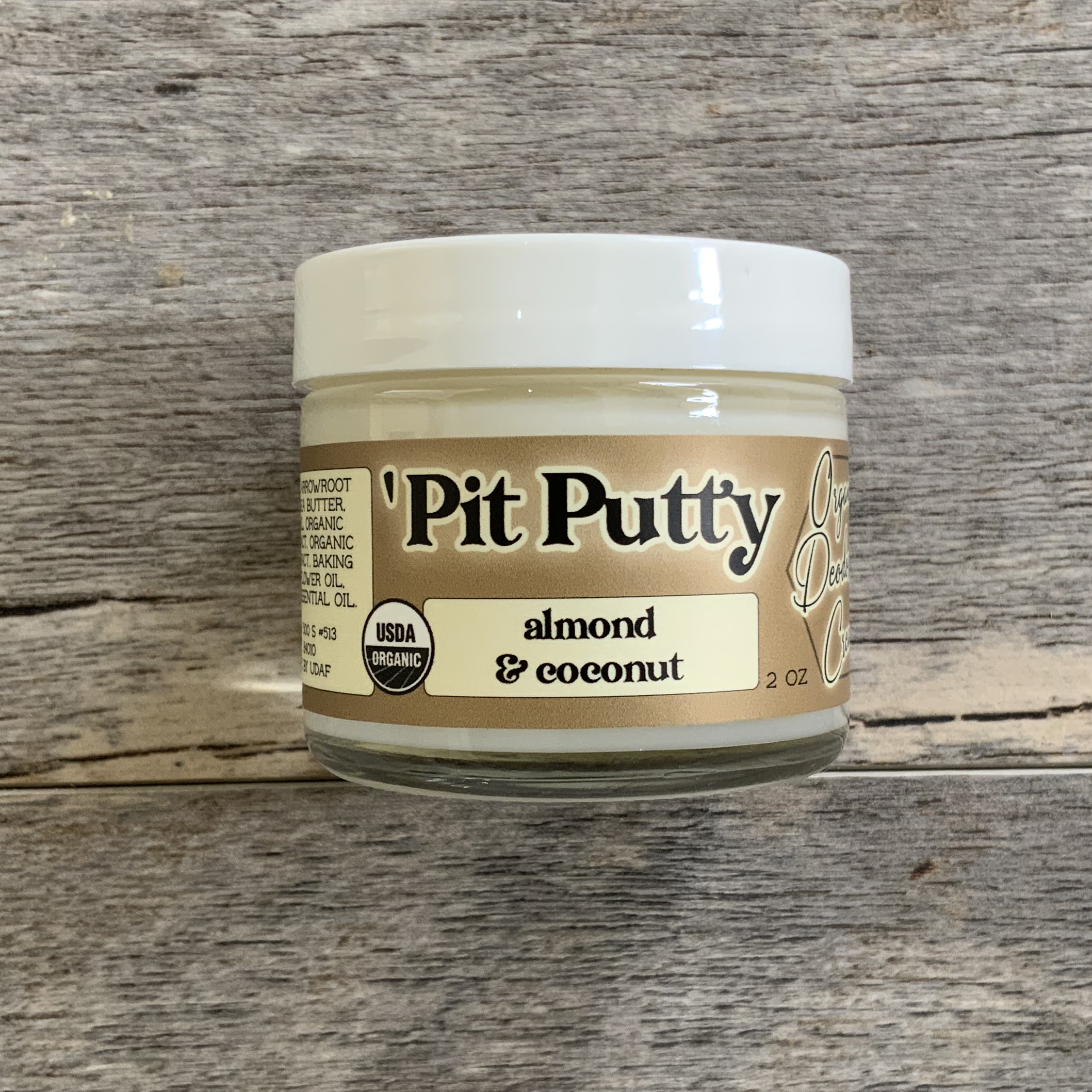
There is a lot of organic fraud out there in the cosmetics industry. Companies that "greenwash" their products to make them look organic or natural but still sneak in harmful synthetics. Companies that don't fully disclose their ingredients. Companies that call their product "organic" but lack actual certification. Ingredients that *sound* natural, but are really hidden synthetics. (More info)
Organic certification ensures that what's *on* the label matches what's *in* the product.
Tracing each ingredient back to the field
For all our organic products, we keep a detailed paper trail of where each ingredient came from, and who certified it as organic. All of these ingredients have to be grown without synthetic fertilizers, pesticides, and processed without chemicals. For each batch we make, we keep a detailed record of each ingredient, the invoice date, the supplier, the invoice number, and the certifying agency. With organic products, there is an audit trail that can be traced from the batch number on the product, all the way back to the field in which each ingredient was grown. We also keep samples of every batch we make.
Ingredient Integrity
Organic certification also ensures that a product doesn't contain artificial fragrance, synthetic preservatives, dyes, hidden ingredients, nanotechnology, ionizing radiation, GMOs and sewage sludge.
My Personal Mission
 I started this company out of my own need for "clean" products. Battling hormone imbalances, I needed products I could trust weren't going to mess with my hormones. So many chemicals in personal care products are xenoestrogens that raise our own estrogen and mimic it. I'm passionate about formulating products that are safe, effective, and as organic as possible. I also have made it my personal mission to spread the word about harmful chemicals in cosmetics.
Soaps, facial cleansers, and shower gels
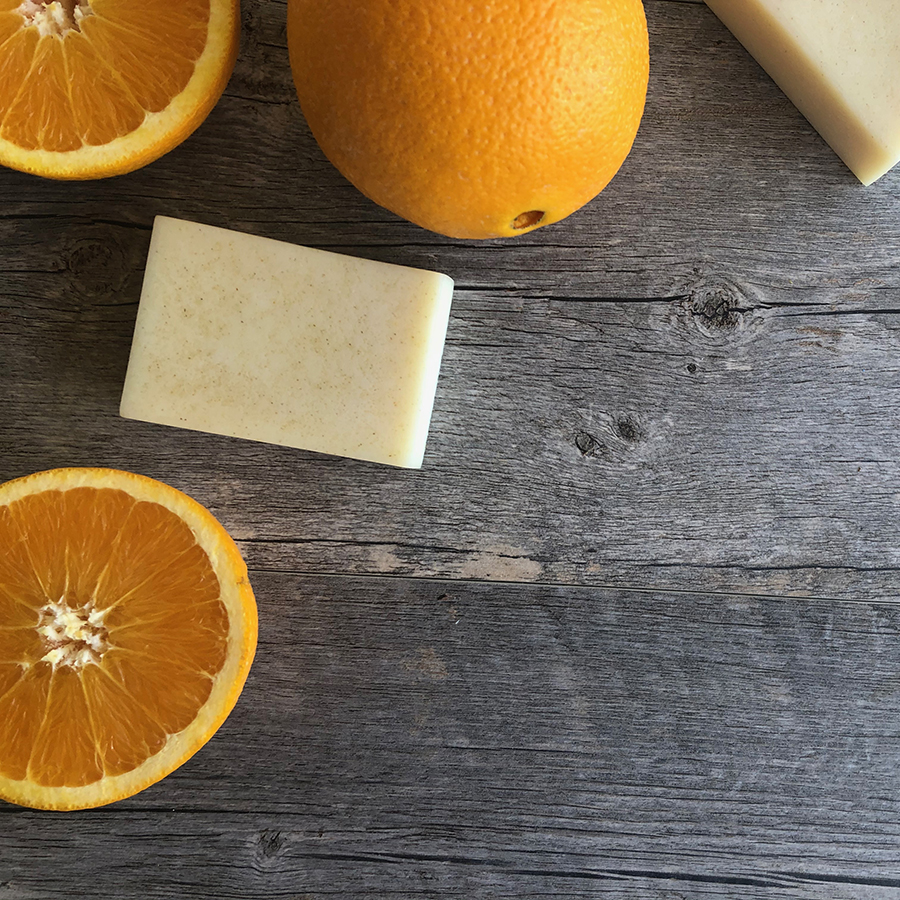 Did you know that there is actually no such thing as 100% organic soap or even a certified organic soap? If you ever see a bar soap labeled with a certified organic seal, it is most likely illegally labeled. If you see a liquid soap with a USDA organic seal, it is highly diluted. Let me explain...
The highest level of certification that a bar soap can get is "made with organic oils" (70% or more organic). To make a soap, oils must be combined with an alkali. (There is no other way to make a soap). For liquid soaps this is potash (potassium hydroxide), for bar soaps this is lye (sodium hydroxide). A chemical reaction between the organic oils and the alkali occurs, and a new substance, soap, is created. This end product can never be more than 90% organic because the alkali used doesn't count towards the organic content.
You may see a liquid castile soap with the USDA organic seal from time-to-time. Well, here's what they do...they'll take the original liquid soap, usually about 80% organic, and dilute it with organic tea or juice. The finished product ends up being 20% soap to get the non-organic content down below 5% (20% times 20% = 4%). So, know when you're buying a certified organic liquid soap, know that you're buying a product that's been considerably diluted, and basically 80% water. Why buy something that's already diluted, when you can buy full-strength soap and dilute it yourself?
Some people have asked us about lye and potash and if they're harsh or dangerous. On their own, yes, these are very caustic materials. But, when used to make soap, the finished product is not dangerous, and, if made properly, not harsh. That's because the alkali has combined with the oils to create a new substance, soap, and there is no leftover lye or potash. Over the years, lye soap has earned a bad reputation. It brings to mind Grannie from the Beverly Hillbillies and her harsh "lye soap." But that was because in years past, we didn't have the technology we do today with saponification tables, digital scales, and a wide variety of wonderful oils. We now know exactly how much lye to add to which certain oils to make a bar that lathers and that's still gentle. Our soaps (both liquid and bars) go through the superfatting process, meaning that just a little extra oil is added so that we are sure there is no free alkali in the bar or liquid. An appropriate curing time is also key to a gentle soap. Additionally, we add extra vegetable glycerin to keep the soap super moisturizing. There is no lye that is dumped in to wastewater during the saponification process, and the environmental impact is very low as there are no fumes, dust, or pollution created during this process. True soaps, both liquid and solid, are THE most natural, healthy, and eco-friendly way to clean yourself and your family.
Salt Scrubs
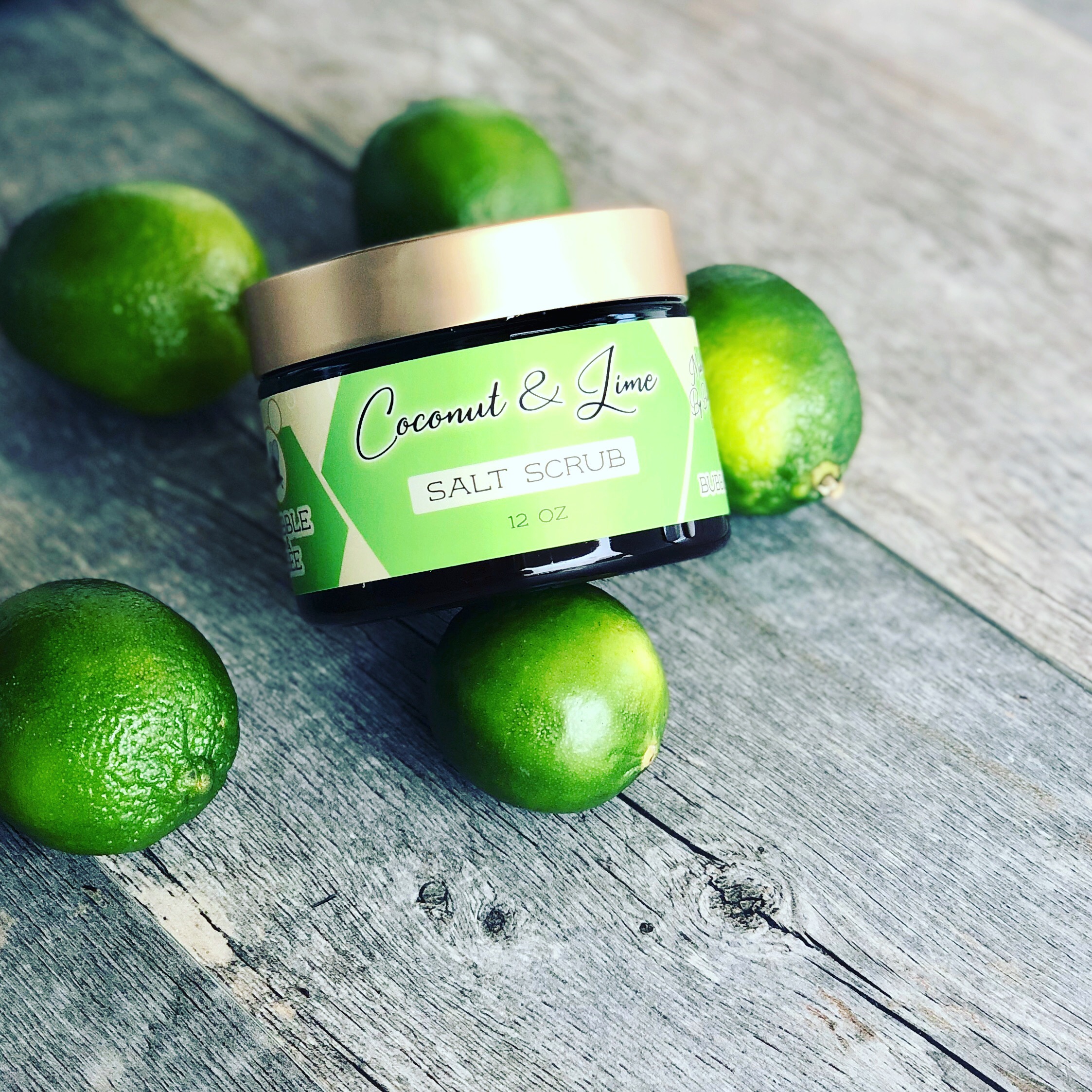 We wanted to make a salt scrub that was a do-it-all product. We wanted something moisturizing, cleansing, and exfoliating. Being based near the Great Salt Lake, we have a great local supply of quality salt, so we chose it as our exfoliator. Then, we needed something to moisturize, so we added organic oils and organic vegetable glycerin. Finally, we needed something to give the cleansing properties and lather. Our first choice, of course was castile soap...but there's a problem. When you add salt to a true soap, it turns the soap into funky chunks. So, we chose the next best thing: decyl glucoside. Decyl glucoside is a naturally-sourced detergent, scores a 0 in the Cosmetics Database and has no known risks or hazards. (I use it regularly at full strength for cleaning dishes and even washing my hair.)
We also use decyl in our bubble baths. Using soap to make a bubble bath just turns the water milky, and doesn't bubble up much. So to make a safe bubble bath we use decyl, glycerin, and organic essential oils and extracts.
Our foaming hand soaps also incorporates decyl. We chose this soap-free formula for our hand soap because we could make it pH neutral and it wouldn't leave soap scum all over your sink. We've found it's the perfect balance of safe ingredients and the performance and quality you expect.
Our Organic Certificate
You can verify our organic certification in the USDA Organic Integrity Database.